Are you debating whether to sell your West Asheville home before buying your next one? You are not alone. In a walkable, in-demand micro-market like West Asheville, timing and financing can make or break your move-up plan. This guide gives you a clear framework to weigh the tradeoffs, understand your financing options, and structure clean offers and occupancy timelines that lower stress and protect your budget. Let’s dive in.
West Asheville market realities
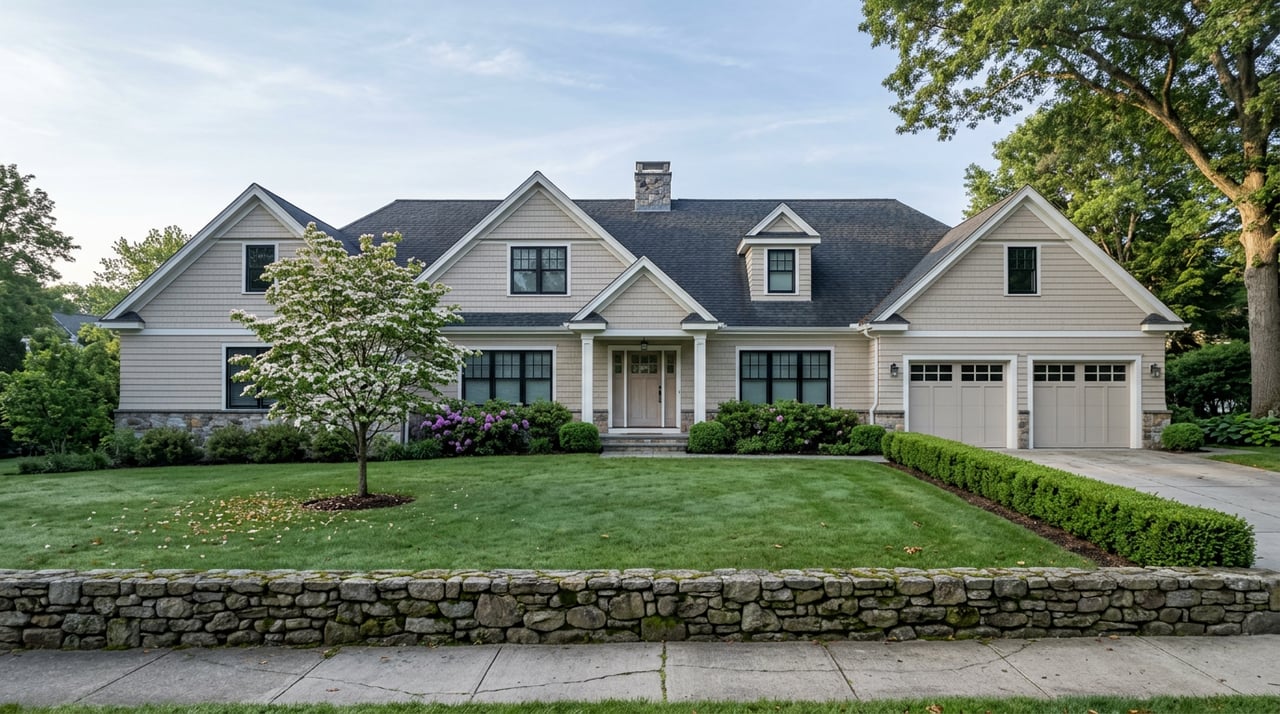
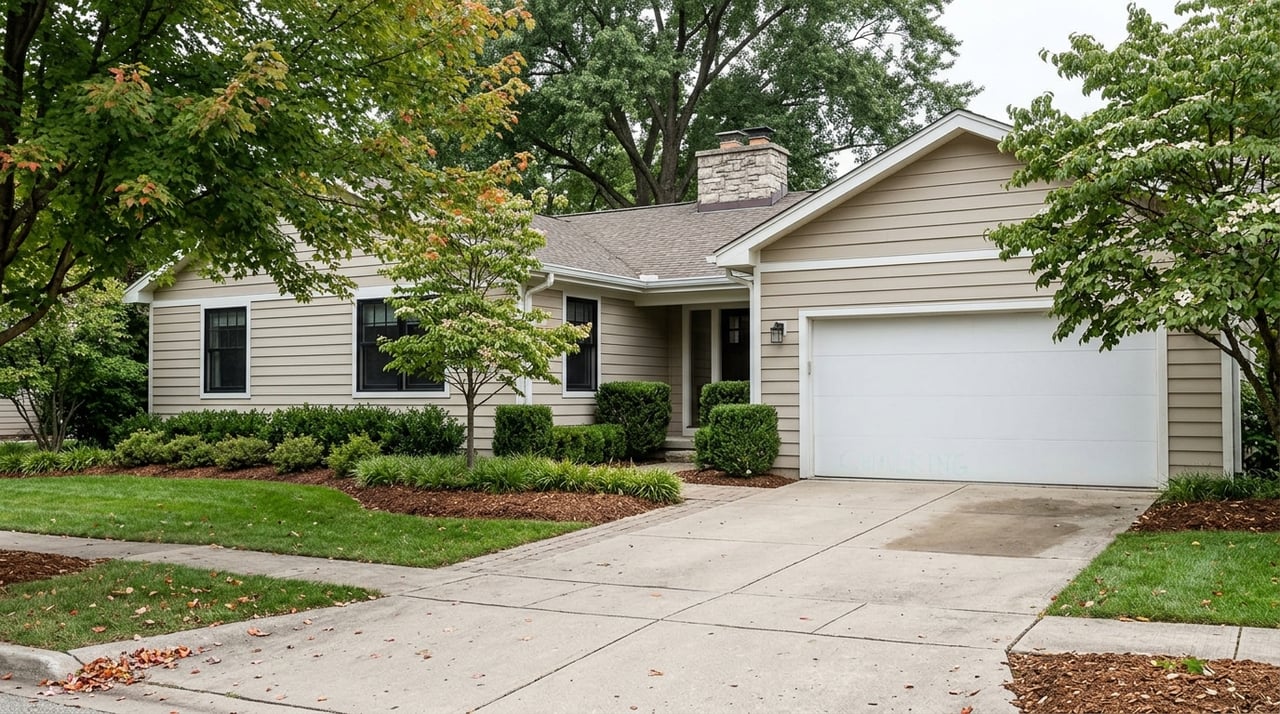
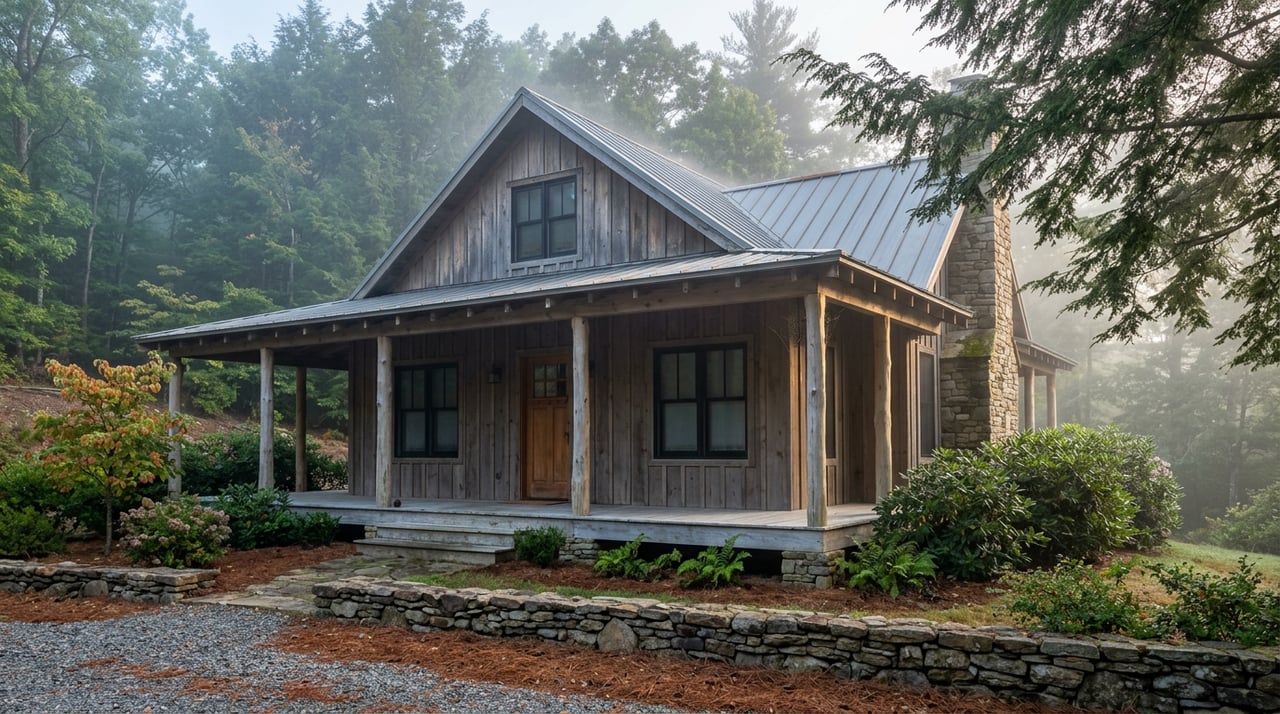
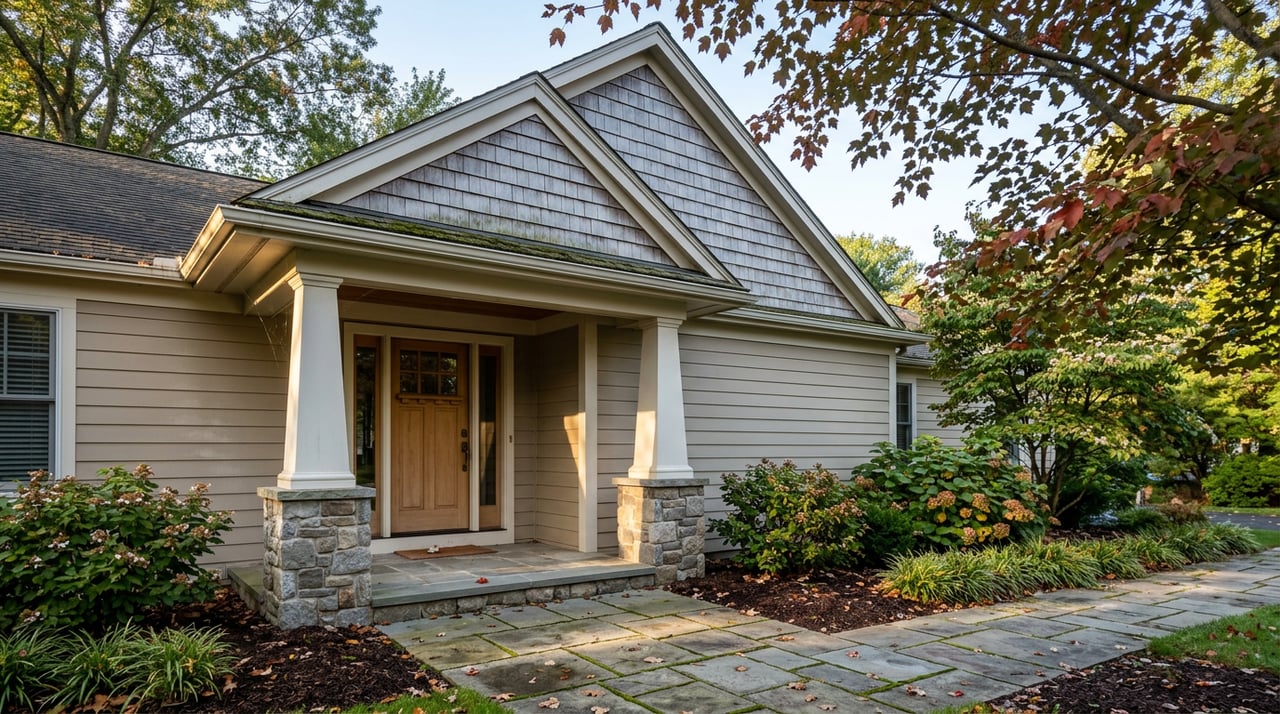
West Asheville is compact and walkable with early 20th-century bungalows, Craftsman homes, and newer infill. Demand is driven by the energy along Haywood Road and quick access to downtown Asheville. Homes that are well located and well priced often draw strong attention.
Like many small micro-markets, inventory can run low while turnover stays brisk. That mix, combined with local move-ups, relocation buyers, and some investors, can lead to faster sales and multiple-offer scenarios. Your plan for selling and buying should reflect that competition.
Seasonal patterns matter too. Spring is typically busy, but local peaks can shift with weather and tourism. School calendars and university moves can influence timing if you want to minimize disruption.
The core tradeoff: certainty vs convenience
Here is the honest breakdown:
- Selling first maximizes certainty about your proceeds and simplifies loan approval for your next purchase. You may face a short gap in housing unless you negotiate a rent-back.
- Buying first maximizes convenience and speed. You lock in the home you want, then sell your current home. This path usually requires stronger liquidity or short-term financing to carry two homes for a period.
Your best path comes down to your equity access, risk tolerance, and how competitive the target listing is.
Option 1: Sell before you buy
Selling first means you list, accept an offer, close, then use those proceeds to buy.
Pros:
- Strong certainty about your sales proceeds.
- Easier to qualify for your next mortgage since you are not carrying two homes.
- Offers without a home-sale contingency are more appealing to sellers.
Cons:
- You may need temporary housing or storage if your purchase closes later.
- Quick-moving listings in West Asheville can pressure your search timeline.
Best for: You want financial clarity, prefer lower carrying costs, and can manage a short transition if needed.
Make a rent-back work for you
A rent-back (post-closing occupancy) can bridge the gap after you sell. Key terms to negotiate and document in writing include:
- Exact length of stay, typically 7 to 90 days.
- Daily or flat rent, plus a security deposit.
- Utilities and minor maintenance responsibilities.
- Insurance and liability language for both parties.
- Buyer’s limited right to enter and clear move-out date with late penalties.
This keeps your move as close to “one move” as possible while preserving the financial advantages of selling first.
Option 2: Buy before you sell
Buying first means you secure financing or cash, close on the new home, then list your current property.
Pros:
- You can move only once and avoid missing a desirable listing.
- Flexible timing on prep and listing strategy for your current home.
Cons:
- Higher carrying costs while you own two homes.
- Requires enough equity, credit strength, or a short-term loan solution.
Best for: You found the right home in a competitive pocket of West Asheville, and you have a plan to cover the gap until your current home sells.
Short-term financing at a glance
- HELOC: Flexible, revolving credit secured by your current home. Often funds in 1 to 3 weeks. Useful for a down payment or earnest money.
- Bridge loan: Purpose-built for buying first, usually 6 to 12 months, with higher rates and fees than traditional mortgages.
- Cash-out refinance: Replaces your existing mortgage with a larger loan to pull equity. Allow roughly 30 to 45 days.
- Home equity loan: Fixed-rate, lump-sum second mortgage with predictable payments.
Approval speed, costs, and documentation vary by lender. Lenders typically set limits on combined loan-to-value, look closely at your debt-to-income ratio, and price based on credit and reserves.
Underwriting basics to plan around
- LTV: You need enough remaining equity to qualify.
- DTI: Your post-closing debts must fit within lender standards.
- Timelines: Appraisals and underwriting can stretch closing windows. Build in cushion.
Option 3: Concurrent closings
Concurrent closings aim to use sale proceeds to fund your purchase on the same day or within a tight window.
Pros:
- You avoid long gaps or double moves.
- You can often retain stronger negotiating power on both sides.
Cons:
- Requires tight coordination among both lenders and closing attorneys.
- If one side delays, you need a backup plan, such as a short rent-back.
How to execute:
- Get both title teams talking early and agree on the funding order.
- Add cushion days and clear contingency language to protect both closings.
Compete without overreaching
In West Asheville, clean offers get attention. If you need to include a home-sale contingency, consider:
- Shortening your contingency removal window.
- Increasing earnest money with appropriate protections.
- Offering appraisal gap coverage up to a sensible cap.
- Being flexible on closing and occupancy dates.
- Providing strong pre-approval and proof of funds.
Sellers sometimes use a “kick-out” clause that lets them keep marketing the home while your sale contingency is in place. If you can remove that contingency quickly due to a pending or firm sale, your offer becomes more compelling.
Sample timelines you can adapt
Sell first (example)
- Week 0: Hire your agent, prep, and list.
- Weeks 1 to 4: Showings and offers.
- Weeks 2 to 6: Buyer inspections and underwriting.
- Weeks 4 to 8: Close on your sale.
- After close: Rent-back for a short period or move to temporary housing while your purchase closes.
Checklist:
- Get a competitive CMA for pricing.
- Line up movers and storage.
- Pre-qualify for your next purchase and be ready to write quickly.
Buy first with a bridge or HELOC (example)
- Weeks −4 to 0: Apply for HELOC or bridge loan and complete appraisal.
- Week 0: Make your purchase offer without a sale contingency.
- Weeks 0 to 4: Close on the new home.
- Weeks 1 to 12: List and sell your current home.
- After sale: Pay down or pay off the short-term financing.
Checklist:
- Confirm your lender’s payoff process and fees.
- Budget for taxes, insurance, and utilities on both homes.
- Verify insurance coverage for both properties during the overlap.
Concurrent closings (example)
- Coordinate both closings so your sale funds before your purchase funds.
- Establish a contingency plan, such as a short rent-back or a brief storage option.
Checklist:
- Get both closing attorneys aligned early.
- Build in short buffers on key dates.
- Confirm wire and funding instructions in writing.
Budget for extra costs
- Closing costs on both sale and purchase.
- Bridge or HELOC fees and higher short-term interest.
- Rent-back payments and a security deposit if applicable.
- Storage, movers, and temporary housing.
- Carrying costs if you own two homes at once.
Manage risk with smart safeguards
- Price your current home realistically to reduce the chance of a long overlap.
- Prepare for an appraisal shortfall on your purchase with contingency language or a capped appraisal gap plan.
- Spell out rent-back terms clearly, including rent, insurance, maintenance, access, and penalties for late move-out.
- Notify your insurers about occupancy changes to avoid coverage gaps.
When to choose each path
Choose sell first if you:
- Want maximum certainty on proceeds and loan approval.
- Prefer to avoid short-term financing costs.
- Can handle a brief transition with a rent-back or rental.
Choose buy first if you:
- Found a rare West Asheville listing and need to act fast.
- Have strong equity or access to a HELOC or bridge loan.
- Want a single, low-stress move and can carry overlap costs temporarily.
Choose concurrent closings if you:
- Have a strong sale lined up and a cooperative buyer.
- Can coordinate both sides with your agent, lender, and closing attorney.
- Want to minimize overlap without relying on long rent-backs.
Your next steps
- Get a clear view of your equity and loan options. A quick pre-approval and a realistic pricing strategy will shape the best path.
- Decide your timing goals based on seasonality, school calendars, and your preferred move date.
- Work with a local agent who can price correctly, negotiate rent-backs, and structure competitive offers without taking excessive risk.
When you are ready to map your move, let’s build a plan tailored to West Asheville’s micro-market and your goals. Connect with James Pitman to compare scenarios, get an instant valuation, and craft a winning offer strategy.
FAQs
Will a home-sale contingency hurt my offer in West Asheville?
- In competitive listings it often weakens your position, so shorten timelines, strengthen financials, and consider alternatives like a HELOC or bridge loan.
How long can I stay after selling with a rent-back?
- Any agreed period, commonly 7 to 90 days, documented with clear terms for rent, insurance, access, responsibilities, and late penalties.
Are bridge loans and HELOCs hard to get?
- Availability and pricing vary by lender, but both require sufficient equity, credit, and documentation, with bridge loans typically carrying higher rates and fees.
Which is safer: selling first or buying first?
- Selling first provides more financial certainty, while buying first offers convenience and speed; the better choice depends on equity, cash, competition, and your risk tolerance.
How can I strengthen a contingent offer?
- Shorten contingency windows, increase earnest money, add capped appraisal gap language, provide strong pre-approval and proof of funds, and match the seller’s preferred timing.