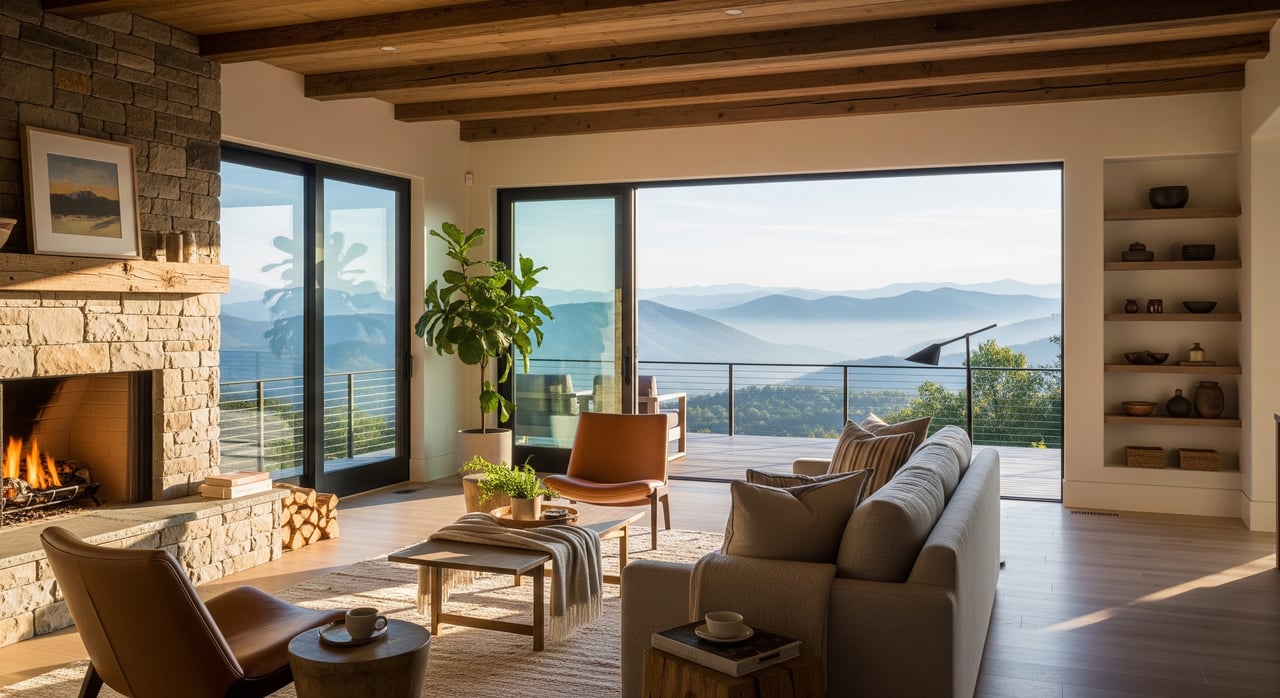
Thinking about making Asheville your next home base? You are not alone. Many people explore Western North Carolina for the mountain views, creative energy, and easy access to the outdoors. If you want a clear picture of daily life before you pick a neighborhood, this guide will help you understand housing, commutes, schools, healthcare, and the rhythm of the city. Let’s dive in.
Asheville at a glance
Asheville sits in the Blue Ridge Mountains at roughly 2,000 feet, serving as the cultural and economic hub for Buncombe County. The city has a population in the range of 90 to 100 thousand, with the county around the mid 200 thousands. You feel a small‑city pace with big‑culture energy.
You get four distinct seasons. Summers are warm and humid, fall brings colorful foliage and lots of visitors, winters are cool with occasional snow, and springs are generally mild. Elevation tempers the heat compared with lower parts of the state.
The local economy blends tourism and hospitality, regional healthcare systems, higher education, craft beverage makers, arts organizations, and a growing set of remote and creative professionals. Cultural leanings are often more progressive than nearby rural counties, and community engagement is strong.
Housing and neighborhoods
What you will see
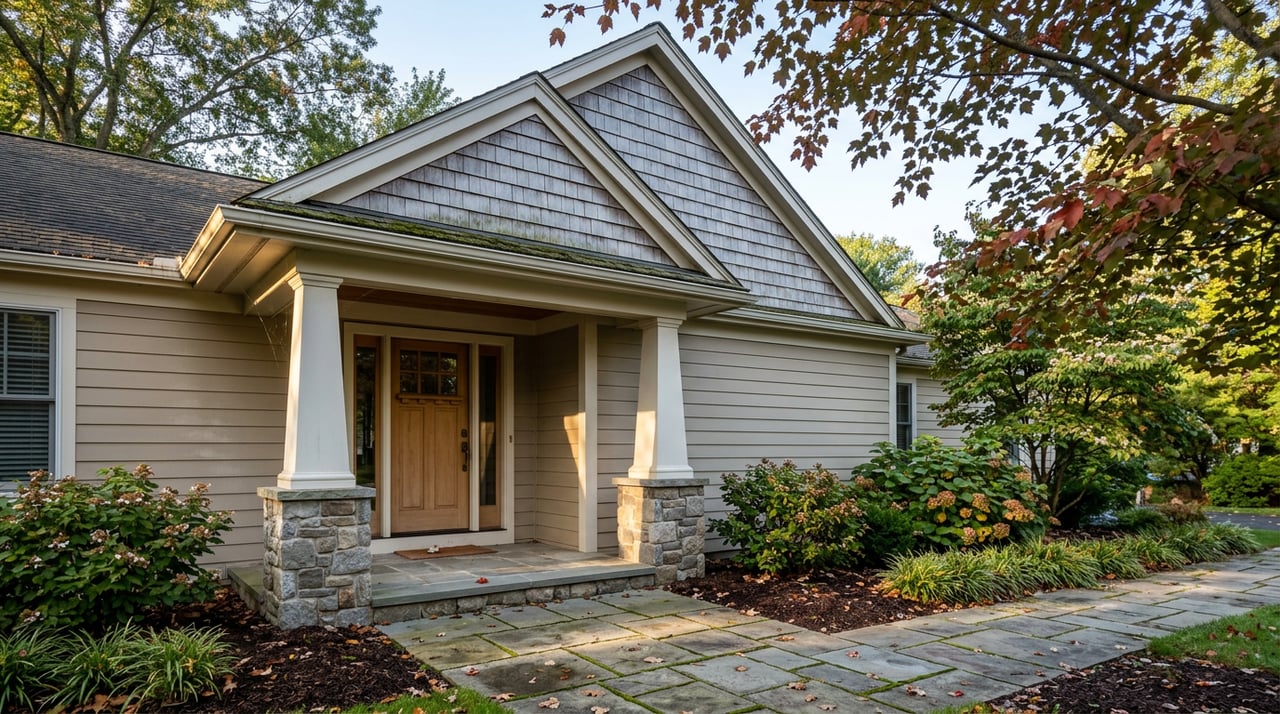
- Historic homes. Craftsman bungalows, Victorian, and early 20th century styles show up in areas like Montford and near downtown. Expect porches, smaller lots, and some historic-district guidelines.
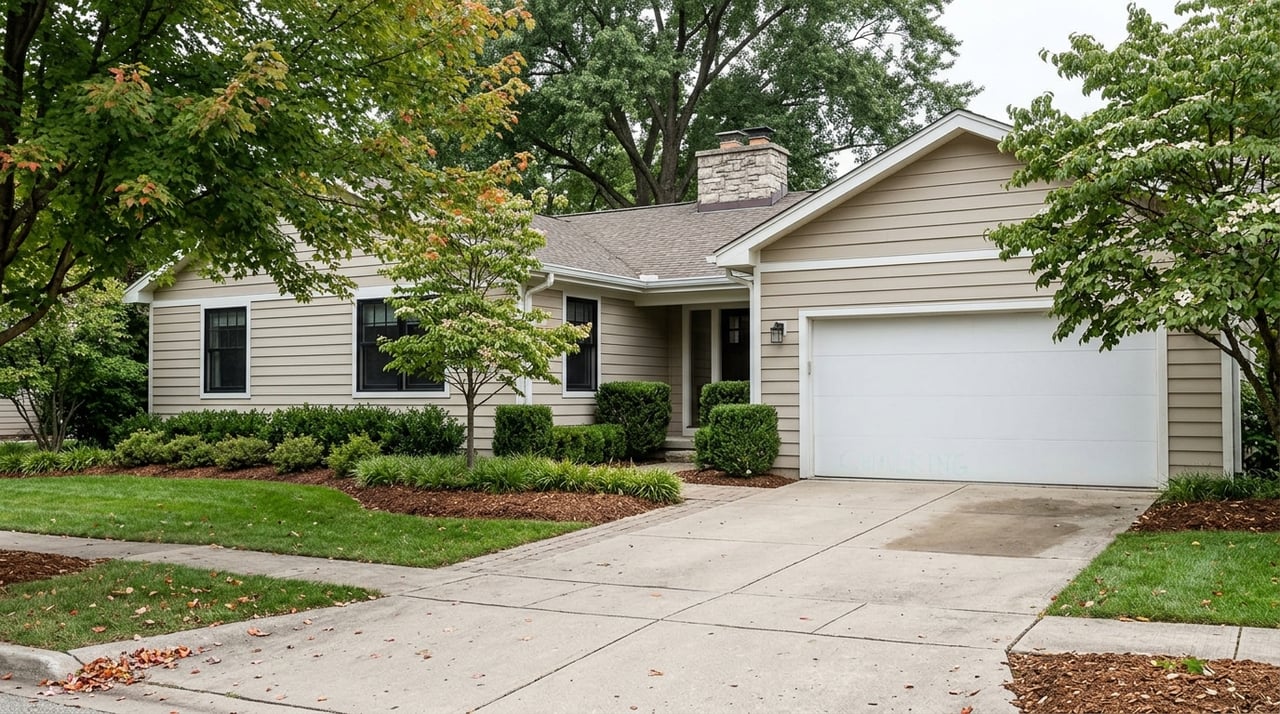
- Mid-century and ranch. Practical layouts and larger lots are common across established neighborhoods and suburbs.
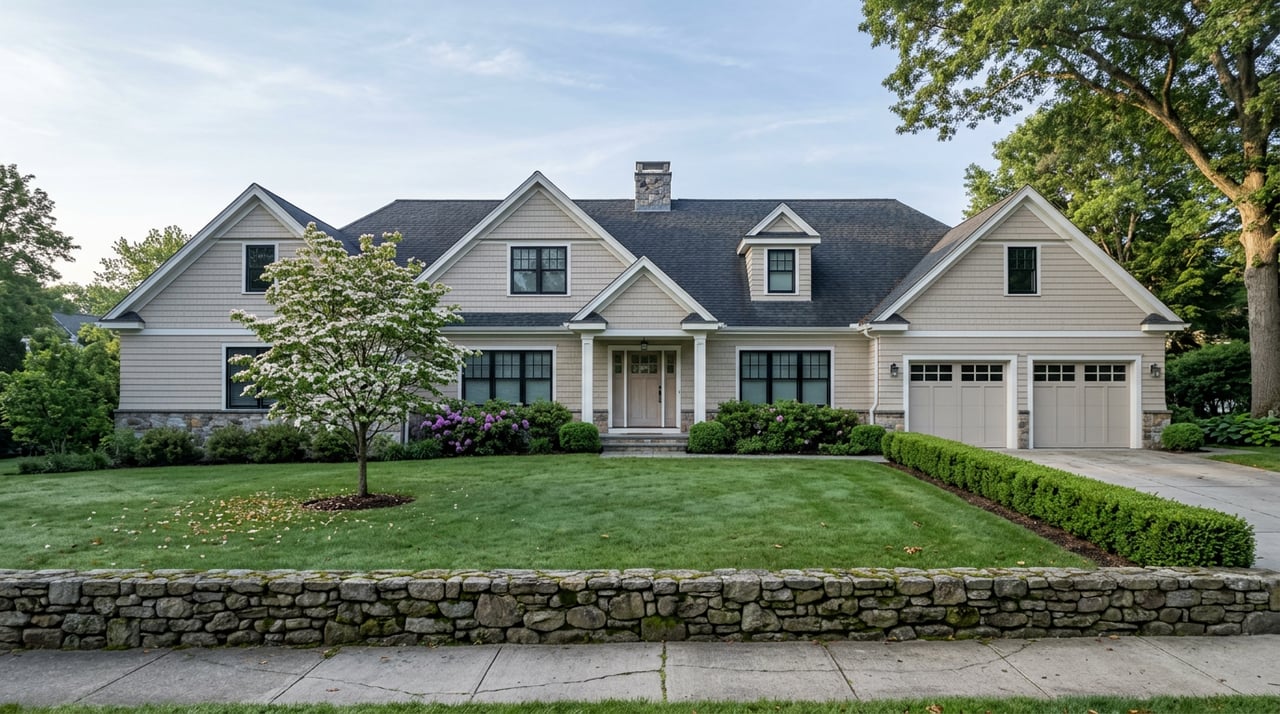
- Newer communities. South Asheville and parts of Buncombe County offer newer single-family homes, townhomes, and planned communities with modern amenities.
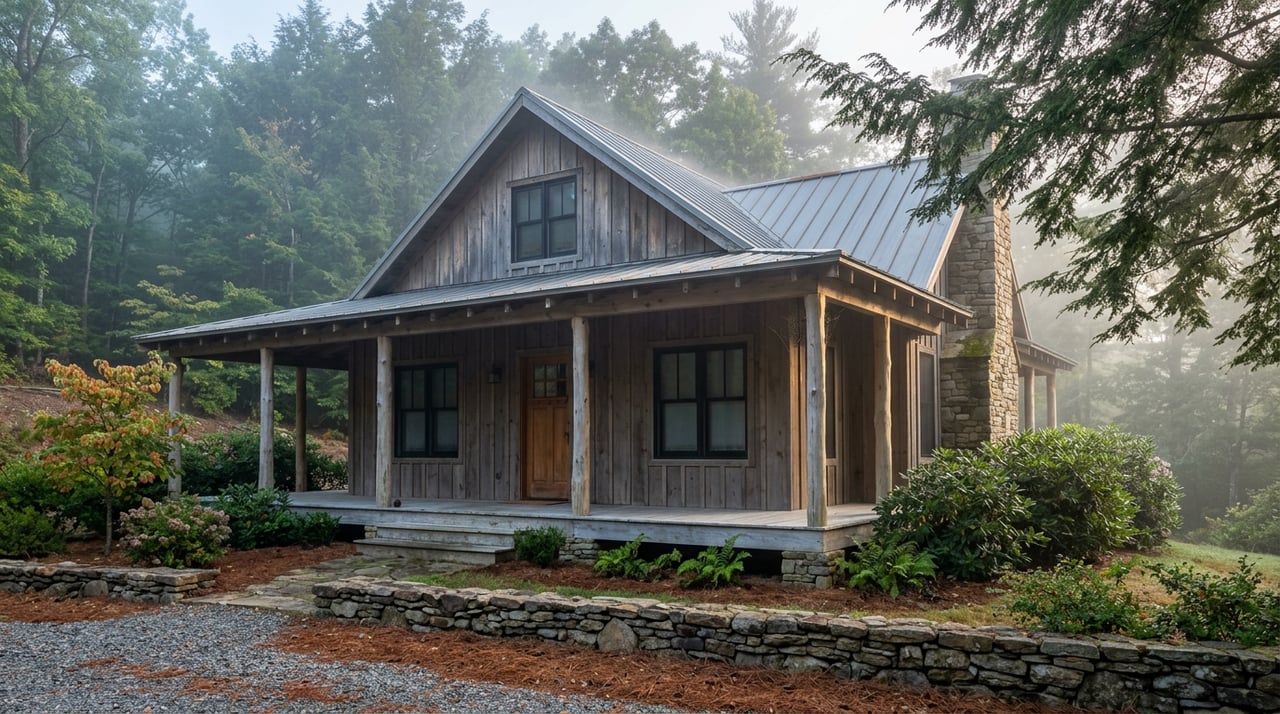
- Mountain cabins. Outside the core, you will find cabins, view homes, and larger parcels that prioritize privacy and scenery.
- Condos and apartments. Downtown and the River Arts District feature lofts, condos, and rentals that work well for low-maintenance living.
- ADUs. Accessory dwellings exist in some areas, with interest influenced by demand for short-term rentals.
Where lifestyles fit
- Downtown and River Arts District. Walkable, energetic, close to restaurants, galleries, and music venues. Tourist activity is strongest in high season.
- West Asheville. Centered on Haywood Road, it offers cafés, boutiques, and a creative feel with many bungalows and smaller lots.
- North Asheville, Montford, Kenilworth. Tree-lined streets and character homes near parks and amenities. Many households choose these areas for classic architecture and proximity to the core.
- South Asheville, Biltmore Park, Arden. Newer housing, retail centers, and easy access to I‑26 for regional travel.
- Weaverville and nearby towns. A small-town feel with commuting into Asheville, offering a quieter pace while staying close to city services.
- Rural Buncombe and mountain enclaves. Larger lots, more privacy, and longer drives for errands.
Costs and market realities
Housing and overall costs are generally above the North Carolina average and higher than many western NC areas. Short-term rental demand has influenced availability and pricing near tourist corridors. Pay attention to property tax rates, HOA fees in newer communities, and any city or county rules for short-term rentals. Neighborhood-level pricing can vary widely.
Getting around and daily logistics
Commutes and transit
Most residents drive. Traffic concentrates on I‑240, I‑26, Patton Avenue, and I‑40 connections. Typical intra-city commutes often range from about 15 to 30 minutes, but can stretch during rush hour and peak tourism seasons. Asheville Redefines Transit provides bus service across the city with varying frequency by route. The Asheville Regional Airport offers flights to major hubs and is about a 15 to 30 minute drive from downtown. Many neighborhoods are walkable, and cycling is popular in certain corridors, though hills and limited protected bike lanes can be a factor.
Schools and childcare
Two public districts serve the area. Buncombe County Schools covers most of the county, and Asheville City Schools serves a smaller central area. You will also find private, charter, and preschool options. Because school zones and offerings change, always confirm attendance boundaries and review recent performance reports for specific schools.
Healthcare access
Regional hospital systems and medical centers serve Buncombe County, with specialty care available locally. Urban and suburban areas typically see dependable emergency response times. Outlying rural properties can experience longer response times.
Utilities and broadband
Inside the city and many suburbs you will find municipal water and sewer. Rural homes may rely on wells and septic systems. Broadband is generally strong in urban and suburban zones, with service from major cable and telecom providers. Some rural pockets have limited options, so confirm speeds and providers by address if remote work is a priority. Trash and recycling vary by jurisdiction or HOA.
Safety and natural factors
Crime patterns vary by neighborhood. Dense commercial areas close to downtown can report higher property incidents, while many residential areas see fewer issues. Always review block-level data when you focus on a specific location. Be aware of localized flood risk near the French Broad River and tributaries, and expect occasional winter travel impacts in higher elevations.
Recreation, culture, and amenities
Outdoors at your doorstep
Residents enjoy quick access to Blue Ridge Parkway overlooks, Pisgah National Forest trails, Bent Creek for mountain biking, and the French Broad River for paddling. Greenways, city parks, and climbing gyms support everyday recreation. Weekend day trips can include waterfalls, scenic drives, and fishing spots.
Food, beverage, and shopping
Asheville’s food scene leans farm to table, with a dense collection of independent cafés and restaurants. The craft beverage community includes many breweries, cideries, and distilleries. You will find local boutiques and galleries near downtown and West Asheville, with larger retail centers in South Asheville.
Arts, music, and events
A strong live music culture, galleries, and the River Arts District add year-round energy. Festivals and seasonal events bring visitors in spring, summer, and especially during fall foliage. Nightlife clusters downtown and in parts of West and South Asheville, which can feel busy on weekends.
What daily life feels like
On a typical weekday, you can grab coffee on a walkable main street, drive to the office in 20 minutes, and hit a trail or greenway after work. On fall weekends, you will notice more traffic, busier restaurants, and lively event calendars. Many residents balance city conveniences with quick escapes to the mountains, which is a major part of Asheville’s appeal.
Practical planning checklist
- Verify school attendance zones and review recent performance data for any school you are considering.
- Confirm broadband speeds and cellular coverage at the exact property address.
- Check FEMA flood maps and property elevation if you are near a river corridor.
- Review city and county short-term rental rules and any HOA covenants before you buy.
- Drive your most likely routes during rush hour and weekends. Visit in a different season if possible.
- Compare property tax rates, utility setup, and HOA fees across target neighborhoods.
- If moving from out of state, confirm DMV requirements and any residency rules related to school enrollment.
Common tradeoffs
- Walkability vs. parking. Downtown living offers convenience but can bring congestion and limited parking.
- Suburban space vs. transit access. Newer communities deliver more space and amenities, but public transit is limited.
- Rural privacy vs. services. Mountain properties offer views and seclusion, with longer drives and possible broadband constraints.
- Older charm vs. maintenance. Historic homes deliver character but can have higher utility or insurance costs and specialized upkeep.
How we help you move with confidence
You deserve clear guidance before you commit to a neighborhood. Our team combines local insight, fast communication, and negotiation skill so you can buy or sell with confidence. We support relocations across Western North Carolina, provide school and neighborhood context, and offer short-term rental insights when that is part of your plan. Ready to map your next step or get pricing clarity on your current home? Get your instant valuation and a tailored move plan with James Pitman.
FAQs
What does everyday cost of living look like in Asheville?
- Housing and overall costs run above the North Carolina average, with pricing that varies by neighborhood and home type.
How long are typical commutes within Asheville?
- Many intra-city trips take about 15 to 30 minutes by car, with longer times during rush hour or peak tourist seasons.
Which public school districts serve Asheville?
- Buncombe County Schools covers most of the county and Asheville City Schools serves a smaller central district, with private and charter options also available.
How does tourism affect residents day to day?
- Visitor peaks in spring, summer, and fall bring heavier traffic, busier restaurants, and more events, especially near downtown and scenic corridors.
Are short-term rentals allowed in Asheville and Buncombe County?
- Rules exist and have tightened in recent years, so always check current city and county ordinances along with any HOA restrictions before buying.
Is broadband reliable for remote work in the mountains?
- Urban and suburban areas usually have strong options from major providers, while some rural pockets have limited service and need address-level verification.