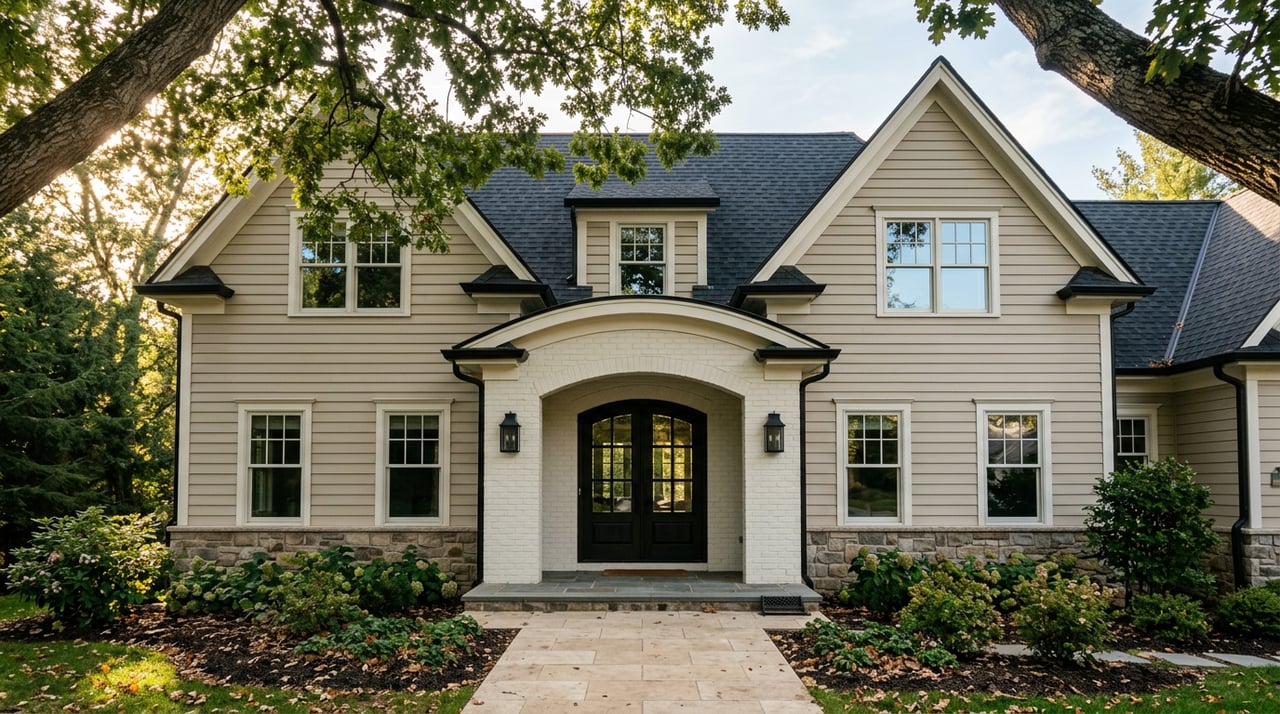
What draws you to Biltmore Forest? Maybe it is the winding lanes under a mature tree canopy, or the slate roofs and stonework that feel timeless the moment you arrive. If you are exploring estate living near Asheville, you want both beauty and practicality. In this guide, you will learn how Biltmore Forest began, what defines its architecture, the lifestyle it offers, and what to expect when you buy and care for a home here. Let’s dive in.
Biltmore Forest at a glance
From Vanderbilt land to a town
Biltmore Forest grew from the Vanderbilt holdings after World War I, with the Town officially chartered in 1923. It was planned as a separate, residential community that echoed the Biltmore Estate’s design sensibility and landscape traditions. You can read the town’s origin story on the official Biltmore Forest overview.
Residential park vision and large lots
From the start, the plan followed a “residential park” model. Early deeds emphasized large parcels, originally described as mostly 3–5 acres, plus minimum-house-cost expectations to maintain scale and quality. Early covenants included a 21-year non-subdivision clause, reinforcing the estate feel that still shapes the neighborhood today. This history is documented by the town’s about page.
Historic status, clearly explained
In 1990, the Biltmore Forest Historic District was “determined eligible” for the National Register of Historic Places based on its planning, landscape, and concentration of architect-designed homes. Being “determined eligible” is not the same as being individually listed or designated a local historic district. For details, see the National Park Service determination file hosted by the state archives (eligibility documentation).
Architectural character
Signature styles you will see
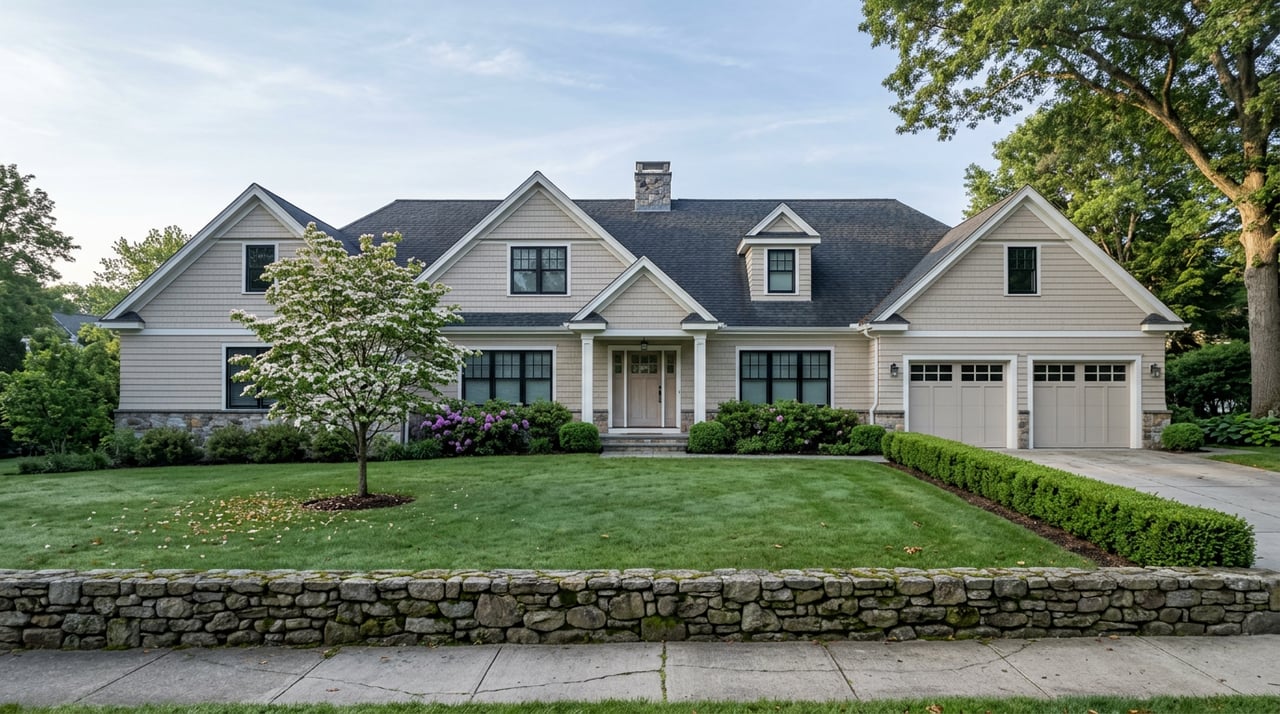
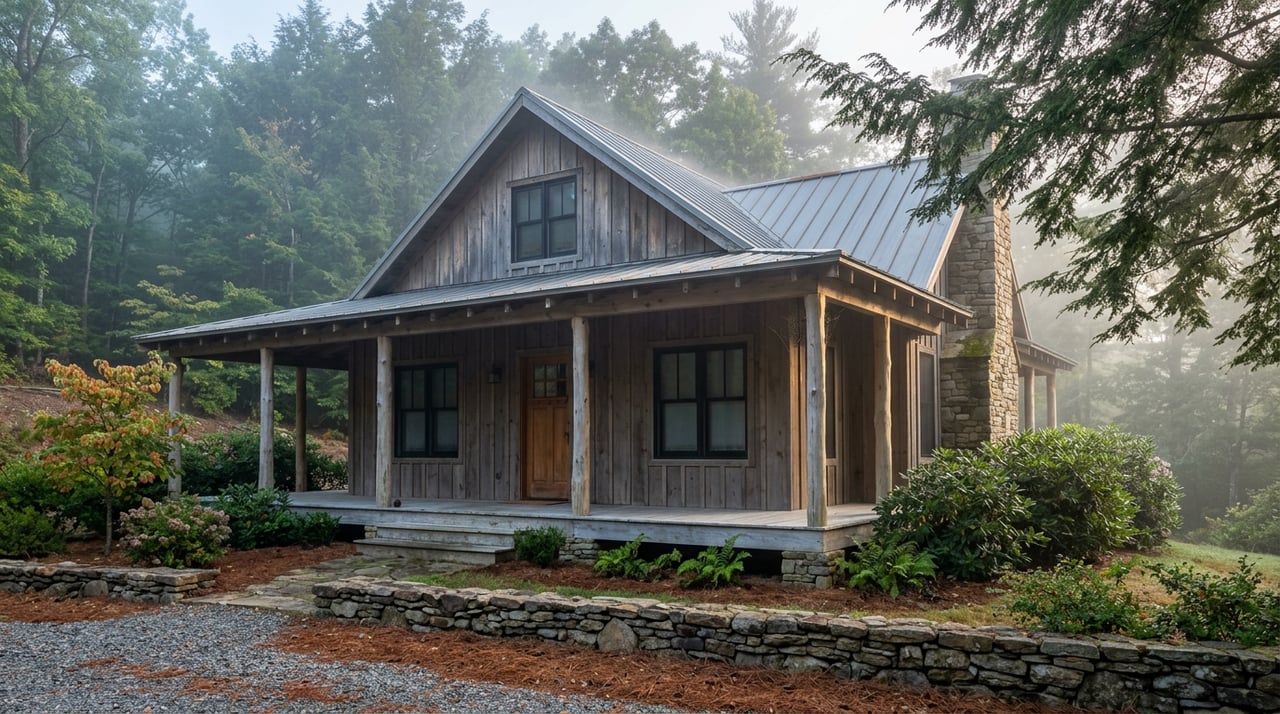
Biltmore Forest’s homes showcase a rich mix of early 20th‑century styles: Tudor Revival and English cottage, Colonial and Georgian Revival, Craftsman and Arts & Crafts, and French Norman or Provincial influences. Many residences are set back on wooded lots so they read as private “country seats” rather than city houses. The town’s overview highlights this legacy and how siting supports it.
Materials and craftsmanship
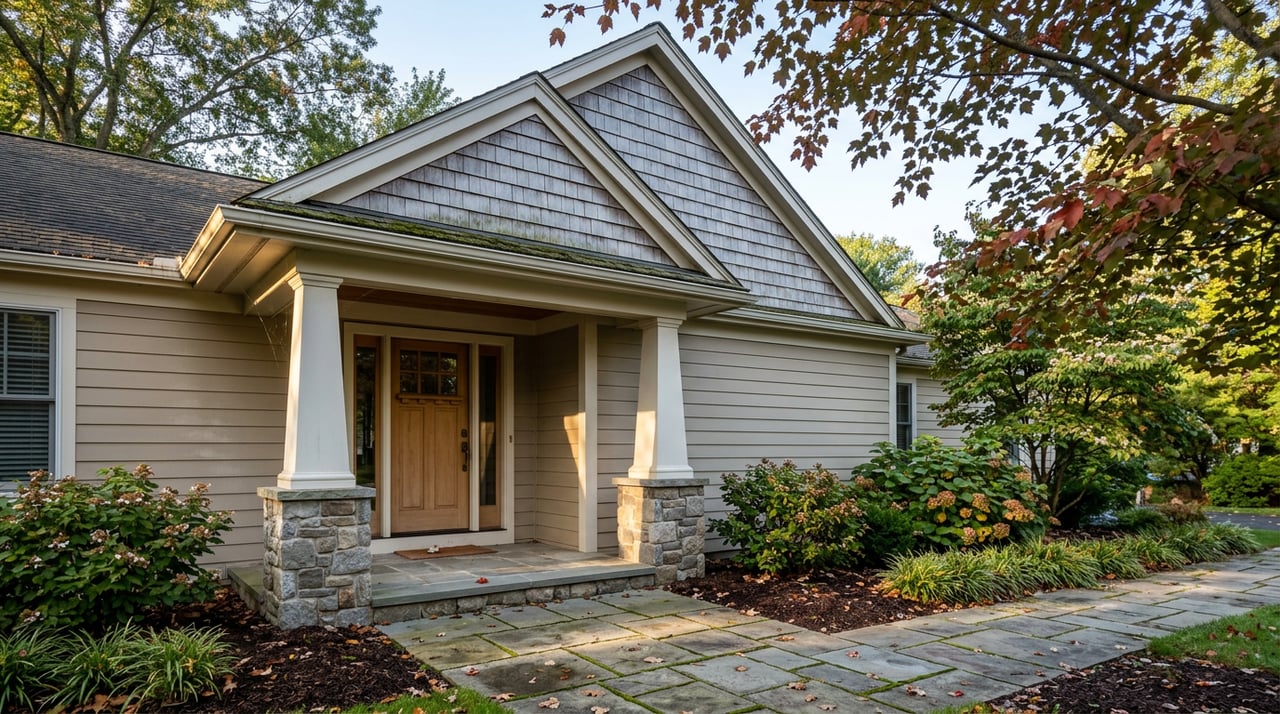
You will notice rough-cut stone, brick, pebbledash or stucco, and half‑timbering, along with steeply pitched slate or shingle roofs. Porte‑cochères, leaded or multi‑pane windows, tall chimneys, and formal terraces are common. Inside, handcrafted joinery, multiple fireplaces, hardwood floors, built‑ins, and formal rooms often define the experience. The effect is quietly grand, rooted in craft rather than flash.
Architects behind the pedigree
Several notable designers worked in and around Biltmore Forest. Richard Sharp Smith, supervising architect for the Biltmore House, heavily influenced the area’s “Biltmore‑style” vocabulary (biographical context). Other active names in the 1920s–1940s included Erle Stillwell and Henry Irven Gaines, as well as William Waldo Dodge Jr., known for pairing artisan metalsmithing with residential design. For background on the region’s design heritage, explore the North Carolina architects archive.
Landscape and lifestyle
Woodland canopy and preservation
Biltmore Forest’s identity is tied to its mature trees and “park‑like” setting. The town regulates significant tree removals and often requires replacement plantings, which helps preserve privacy and the woodland feel over time. If you plan to manage or change tree cover, expect a permit process guided by the town’s tree‑protection ordinances.
Parks, trails, and outdoor access
Local green spaces include Greenwood Park and Rosebank Park, and the Blue Ridge Parkway and regional trail networks sit just beyond the town’s boundaries. The setting gives you quick outdoor access while keeping daily life peaceful and residential. Learn more on the town’s community overview.
Private country‑club core
The Biltmore Forest Country Club is a historic anchor with a Donald Ross‑designed golf course, along with tennis, dining, and social programming. Membership is private, and the club has long been a draw for residents who value a traditional club lifestyle close to home. Read the club’s historical notes on its official history page.
Location benefits
Close to Asheville and the Estate
Biltmore Forest offers a rare blend: estate‑scale living minutes from city amenities. You are near Biltmore Village, downtown Asheville, and cultural venues, yet daily life feels secluded and quiet. Proximity to the Biltmore Estate and the Blue Ridge Parkway adds year‑round recreation and guest‑friendly experiences.
Market context for luxury buyers
Why buyers choose Biltmore Forest
- Privacy and landscape: large lots, long drives, and deep canopy create a private, estate feel near town.
- Architectural integrity: architect‑designed homes and high‑craft materials deliver a sense of permanence and legacy.
- Club and social life: a private, member‑based country club shapes community rhythms for many residents.
- Convenience: a quiet neighborhood setting with quick access to Asheville’s restaurants, arts, healthcare, and the airport.
Pricing signals and availability
Inventory is limited and varied, and a single large sale can skew averages. Portal snapshots often diverge because they measure different time frames and listing pools. Instead of locking onto a single figure, plan for a wide range from high six figures into the multi‑million dollars, depending on lot size, architecture, condition, and location within the town. For meaningful pricing and comparables, connect with a local broker who tracks current inventory in real time.
Practical buying considerations
Design review and permits
Biltmore Forest operates a Design Review Board and a Board of Adjustment. New builds, exterior changes, accessory structures, driveway work, and significant landscape modifications often require review. This process protects the town’s character and can influence project timelines. For an orientation to town processes, see the official homeowner guide.
Tree protection and replanting
Tree removal for protected specimens typically requires permits, and replanting can be part of the approval. Budget time for surveys, arborist input, and mitigation plans. The town’s ordinances outline how this works in practice.
Owning an estate home
Compared with a standard suburban lot, an estate property often carries higher ongoing upkeep. Expect larger landscaping needs, attention to mature trees, and maintenance for materials like slate, stone, and custom millwork. Many buyers consider this a fair trade for privacy, beauty, and craftsmanship.
Club membership notes
The Biltmore Forest Country Club is private and membership is not automatic with homeownership. If club life is important to you, verify current membership pathways and availability with the club. You can study the club’s roots on its history page.
Quick buyer checklist
- Walk the lot and canopy. Confirm tree health, removal limits, and potential replanting needs.
- Review the site plan. Understand setbacks, driveways, and how additions might fit the lot.
- Assess systems and materials. Slate roofs, masonry, and custom woodwork need specialized care.
- Plan your project path. Identify what triggers design review, permits, or board approvals.
- Consider lifestyle fit. Proximity to Asheville, parks, and potential club membership can shape daily life.
Is Biltmore Forest right for you?
If you want a wooded, estate‑scale setting near Asheville’s culture and conveniences, Biltmore Forest delivers a rare mix of privacy, pedigree, and access. You get architecturally distinctive homes, a carefully protected landscape, and a classic country‑club option, all within a quiet town that values design integrity. When you are ready to explore on the ground or discuss the right property strategy, connect with James Pitman for a private consultation and tailored market insight.
FAQs
What is Biltmore Forest and how did it start?
- It is a separate town chartered in 1923 on land sold from the Vanderbilt holdings, planned as a residential park with estate‑scale lots and design continuity, as outlined on the town’s about page.
Is Biltmore Forest part of the Biltmore Estate?
- No. It sits adjacent to the Estate and reflects its design influence, but it is an independent municipality; details appear on the town’s overview.
Are homes historic and what protections apply?
- Many homes date to the 1920s–1940s, and the district was “determined eligible” for the National Register in 1990; eligibility differs from formal listing or local designation. Design review and tree‑protection rules govern many exterior changes (documentation).
Why do buyers pay a premium in Biltmore Forest?
- The appeal comes from large, wooded lots; architect‑designed homes; a private country club; and close access to Asheville’s culture and services, supported by the club’s history and the town’s planning legacy.
What should I know about trees and permits before buying?
- Protected tree removal often needs permits and replacement plantings; expect timelines for arborist reports and approvals. See the town’s ordinances for guidance.