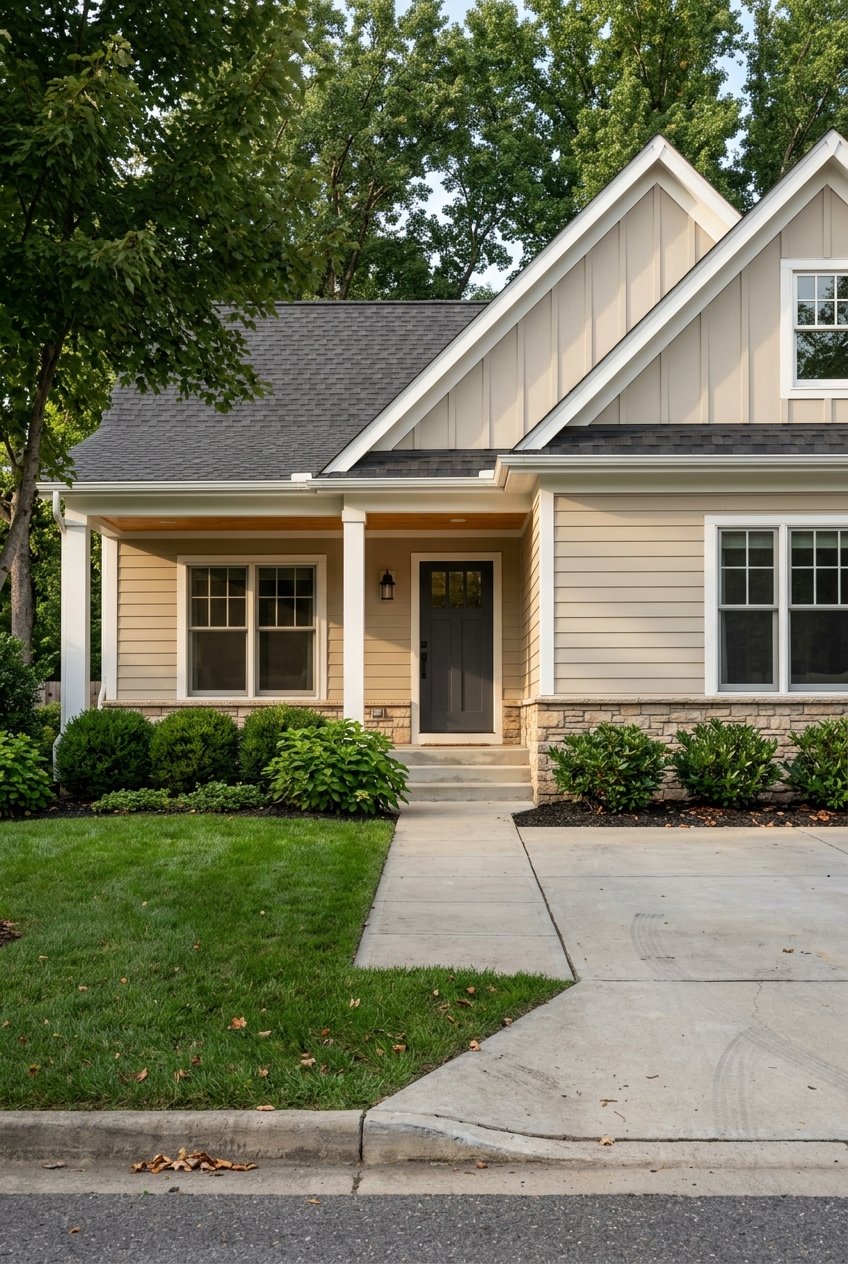
If your home is going on the market in Waynesville, timing matters, but strategy matters more. In a buyer-leaning market, you cannot count on simply listing and waiting for the right offer to appear. You need a plan that fits your home, your price range, and your part of town. This guide will show you how to think about timing, pricing, preparation, and negotiation so you can sell with more confidence. Let’s dive in.
What the Waynesville market looks like
Waynesville is currently leaning toward buyers. Recent market data showed a median listing price of about $446,600, a median 74 days on market, and 587 active listings in spring 2026. Across Haywood County in early 2026, homes were selling about 2.1% to 2.9% below asking on average, with sale-to-list ratios between 97% and 98%.
That does not mean every home is struggling to sell. It means buyers have options, and sellers need to be more precise. Your strategy should reflect current competition, recent comparable sales, and how quickly similar homes are moving in your specific area.
Why micro-market timing matters
Waynesville is not one uniform market. ZIP-level data shows meaningful differences. In 28785, the median days on market was 44 with a median listing price of $425,000, while 28786 showed 82 median days on market and a median listing price of $449,795.
That gap is a good reminder that countywide averages only tell part of the story. Your street, neighborhood setting, view, condition, and price point may matter more than the town average. A strong selling plan starts with the most local data possible.
When to list a home in Waynesville
The best time to list is usually when your home is fully ready and your pricing matches the current market. In the mountains, spring through fall often gives you the best outdoor presentation because temperatures are milder and landscaping tends to show well. If your property has mountain views, outdoor living areas, or strong curb appeal, late spring and early fall can be especially photogenic.
Waynesville also benefits from seasonal scenery. Leaf season begins around mid-September in the mountains, with ridges near Waynesville and Maggie Valley often peaking by mid-October before color moves into lower valleys in early November. For some homes, especially those with views or outdoor spaces, that seasonal backdrop can make listing photos and showings more compelling.
Still, calendar timing should not override readiness. In a buyer-leaning market, it is usually smarter to list when repairs are complete, the home is clean, and the marketing is polished than to rush a listing just to hit a certain month.
How local buyer demand shapes your strategy
Waynesville and Haywood County have relatively small household sizes and a notable share of residents age 65 and older. That suggests many buyers may focus on practical features like single-level living, manageable outdoor upkeep, storage, and overall condition rather than highly customized finishes.
You may also see interest from relocation buyers, second-home shoppers, and buyers drawn to mountain access. Haywood County is about 20 minutes from Asheville and roughly 2.5 hours from Charlotte, which can appeal to people who want mountain living with access to a larger regional hub. Seasonal appeal also matters here, especially for homes with views, outdoor access, or part-time-use potential.
On the buyer side, many shoppers may be experienced and financially strong. National 2025 profile data showed repeat buyers made up 79% of the market, and 30% of repeat buyers paid cash. That means your offer strategy should not focus only on price. Terms, certainty, and closing speed can also carry real weight.
Prepare before you list
In a slower market, preparation has a direct impact on how buyers respond. A home that feels well maintained and easy to understand tends to stand out faster than one that looks unfinished or uncertain. Before you list, focus on the basics that help buyers feel confident.
Start with condition and maintenance
A thorough inside-and-out review can help you spot issues before buyers do. Needed repairs, deferred maintenance, and simple cosmetic improvements are often easier to handle before your home goes live than during negotiations.
Good first steps include:
- Cleaning windows, carpets, walls, and lighting fixtures
- Touching up obvious wear and tear
- Freshening landscaping and entry areas
- Decluttering rooms and storage spaces
- Gathering warranties, guarantees, and manuals for systems or appliances that will stay with the home
A pre-sale inspection is optional, but it can help identify issues early. Even if you do not complete every possible update, knowing your home’s condition helps you price and negotiate more effectively.
Focus on how the home lives
As you prepare, think about what buyers are likely to notice in daily use. Clear walkways, easy-to-access storage, bright rooms, and simple furniture placement can help buyers understand the home quickly. In a market where many buyers may value ease of maintenance and practicality, function matters.
If your home offers features like one-level living, a low-maintenance yard, covered outdoor space, or useful parking, make sure those benefits are visible in person and in your listing presentation.
Online presentation matters more than ever
Most buyers start their search online, and photos often shape whether they book a showing. National buyer research found that all buyers used the internet in the home search process, 51% found the home they bought through online search, and 41% said photos were the most useful website feature.
That means your listing cannot rely on a few quick snapshots and a vague description. In Waynesville, where buyers may be comparing cabins, mountain-view homes, in-town properties, and second-home options all at once, a polished digital presentation helps your home compete.
What strong listing marketing should do
Your online presentation should make it easy for buyers to understand the home’s value right away. That includes clean photography, accurate room-by-room information, and listing remarks that explain what makes the property useful and appealing.
For example, strong marketing may highlight:
- View orientation and outdoor living space
- One-level or flexible floor plan features
- Storage, parking, or workshop space
- Recent maintenance or updates
- Proximity to Waynesville amenities or regional access points
A complete, professional presentation supports stronger first impressions and helps reduce confusion before showings begin.
Price for the market you have
Pricing is one of the most important decisions you will make. In a buyer-leaning market, an aspirational price can cost you time and leverage. Buyers are watching value closely, and if your home sits too long, they may assume something is wrong even when the issue is simply price.
The best pricing strategy looks at recent comparable sales, current inventory, and how similar homes are performing right now. It also considers your home’s exact location, condition, and features instead of relying only on broad averages.
Avoid the wish-price trap
It is natural to want to leave room for negotiation. But pricing too high in a slower market can reduce early interest, which is often when your listing gets the most attention. If showings are light or feedback points to value concerns, a price adjustment or buyer incentive may become necessary.
That is why pricing should start with current evidence, not last year’s peak expectations. A sharp launch often creates more opportunity than a slow start followed by reductions.
Evaluate offers beyond the headline price
The highest number is not always the strongest offer. In Waynesville, where some buyers may be repeat purchasers or cash buyers, the overall structure of the offer can matter just as much as the purchase price.
When you review offers, look at the full package. Financing strength, inspection timelines, contingency terms, and proposed closing dates can all affect your net result and stress level.
Terms to compare carefully
When offers come in, consider questions like these:
- Is the buyer paying cash or using financing?
- How strong is the down payment?
- Are there contingencies that could slow or complicate closing?
- How long is the inspection period?
- Does the closing date fit your next move?
- Is the buyer asking for closing-cost help?
In some cases, a slightly lower offer with cleaner terms may be the better choice. This is where negotiation support can make a real difference.
Handle North Carolina disclosures early
North Carolina requires most residential sellers to provide a disclosure statement. When applicable, sellers must also provide an owners association and mandatory covenants disclosure statement. For homes in an HOA or planned community, that can include dues, assessments, and pending lawsuits.
The state’s disclosure rules cover major areas such as systems, structural components, infestation, land-use restrictions, and environmental issues. North Carolina Real Estate Commission guidance also says most sellers must provide the mineral and oil and gas disclosure before an offer is made.
Do not rely on “as-is” to avoid disclosure
Selling a home as-is does not remove a buyer’s inspection rights. It also does not allow a seller to hide known material defects. In North Carolina, as-is generally means you do not plan to make repairs, but disclosure duties still matter.
That is why it is smart to organize disclosures early. Doing so helps reduce surprises, supports cleaner negotiations, and shows buyers that the sale is being handled with care.
A practical Waynesville selling plan
If you want a simple framework, focus on the steps that create the most leverage in this market. In Waynesville, sellers usually do best when they prepare thoroughly, price realistically, and launch with strong presentation.
A practical plan looks like this:
- Review your home’s condition inside and out
- Complete key repairs and cosmetic cleanup
- Gather documents for systems, appliances, and disclosures
- Study recent comparable sales in your immediate area
- Price based on current competition, not guesswork
- Launch with professional photos and complete marketing copy
- Compare offers based on terms as well as price
That approach helps you meet buyers where the market is now, not where you wish it were.
Final thoughts on strategy and timing
Selling in Waynesville today takes more than good luck and a nice listing date. You need smart timing, local pricing discipline, strong presentation, and a clear plan for negotiations and disclosures. When those pieces work together, you give yourself the best chance to attract serious buyers and move forward on solid terms.
If you are thinking about selling in Waynesville or anywhere in the Western North Carolina mountain corridor, James Pitman can help you build a pricing and marketing strategy that fits your home and your timeline.
FAQs
How long does it take to sell a home in Waynesville, NC?
- Recent spring 2026 data showed a median 74 days on market in Waynesville, but timing can vary widely by ZIP code, price point, condition, and presentation.
When is the best time to list a home in Waynesville, NC?
- Spring through fall often offers the best outdoor presentation, and early fall can be especially appealing for homes with mountain views, but the best time to list is when your home is fully ready and priced for current market conditions.
How should you price a home in Waynesville, NC?
- You should base pricing on recent comparable sales, current inventory, and your specific micro-market, since Haywood County has been trending buyer-leaning and homes have often sold below asking.
What disclosures do sellers need in North Carolina?
- Most residential sellers must provide a property disclosure statement, and many must also provide owners association and mineral and oil and gas disclosures before an offer is made.
Does selling a home as-is in North Carolina mean no disclosures?
- No. As-is usually means you do not plan to make repairs, but you still must disclose known material facts and buyers still have inspection rights.
What matters most to buyers shopping for homes in Waynesville, NC?
- Based on local demographics and market context, many buyers may pay close attention to condition, practical layouts, single-level living, manageable upkeep, storage, and overall value.