If you want a mountain getaway that helps cover its own costs, Maggie Valley is one of the more interesting places to look in Western North Carolina. You are not imagining the appeal: this is a tourism-driven town with a well-established short-term rental presence, but buying the right second home still takes careful planning. In this guide, you will learn what makes a property more guest-friendly, what public data can and cannot tell you about rental demand, and which due-diligence steps matter most before you close. Let’s dive in.
Why Maggie Valley Fits This Goal
Maggie Valley is not just a scenic mountain town. Its own planning documents describe it as a tourist destination where much of the housing is seasonal, tourism is the primary employer, and visitor lodging is already a major part of the local economy. As of March 2023, the town’s 2024 comprehensive plan reported 621 units in the Maggie Valley area listed on Airbnb and VRBO, which shows an active short-term rental base already exists. You can review that context in the Town of Maggie Valley comprehensive plan.
That does not mean every home will perform well as a rental. It does mean you are shopping in a market where visitors already understand the destination and regularly book overnight stays. For many buyers, that is a stronger starting point than buying in a place with little proven tourism activity.
Haywood County also draws visitors from well beyond the immediate area. According to the Haywood County Tourism Development Authority occupancy tax FAQ, 77% of visitors are from out of state and about 33% come from other parts of North Carolina. That broader visitor mix can support demand beyond purely local weekend traffic.
Start With Your Second-Home Lifestyle
The best Maggie Valley purchase is usually the one that works for you first and as a rental second. That may sound simple, but it helps you avoid overbuying a property that looks good on a spreadsheet and feels frustrating in real life.
A second home should be comfortable to reach, easy to maintain, and enjoyable in multiple seasons. If the driveway is stressful, the slope is extreme, or access becomes difficult in bad weather, that can affect both your own use and the guest experience.
Maggie Valley’s planning materials repeatedly point to practical site conditions that matter, including manageable slopes, safe access, and the availability of water and sewer where possible. In a mountain market with limited flat land and many steep residential areas, the easier property is often the more versatile choice.
Features That Tend to Match Visitor Demand
If you want a home that can also rent, focus less on novelty and more on usability. In Maggie Valley, visitors often come for scenery, outdoor access, seasonal attractions, and a convenient home base.
Visit Haywood’s tourism fact sheet describes Maggie Valley as scenic, family-friendly, and a launch point for exploring the region. That profile supports a lifestyle-plus-rental strategy, especially when the home offers convenience instead of isolation.
Prioritize easy access
The town’s planning documents note that development along Soco Road is largely oriented to seasonal and tourist activity. In practical terms, homes with relatively easy access to Soco Road or U.S. 19 may be more visitor-friendly than remote properties with difficult roads.
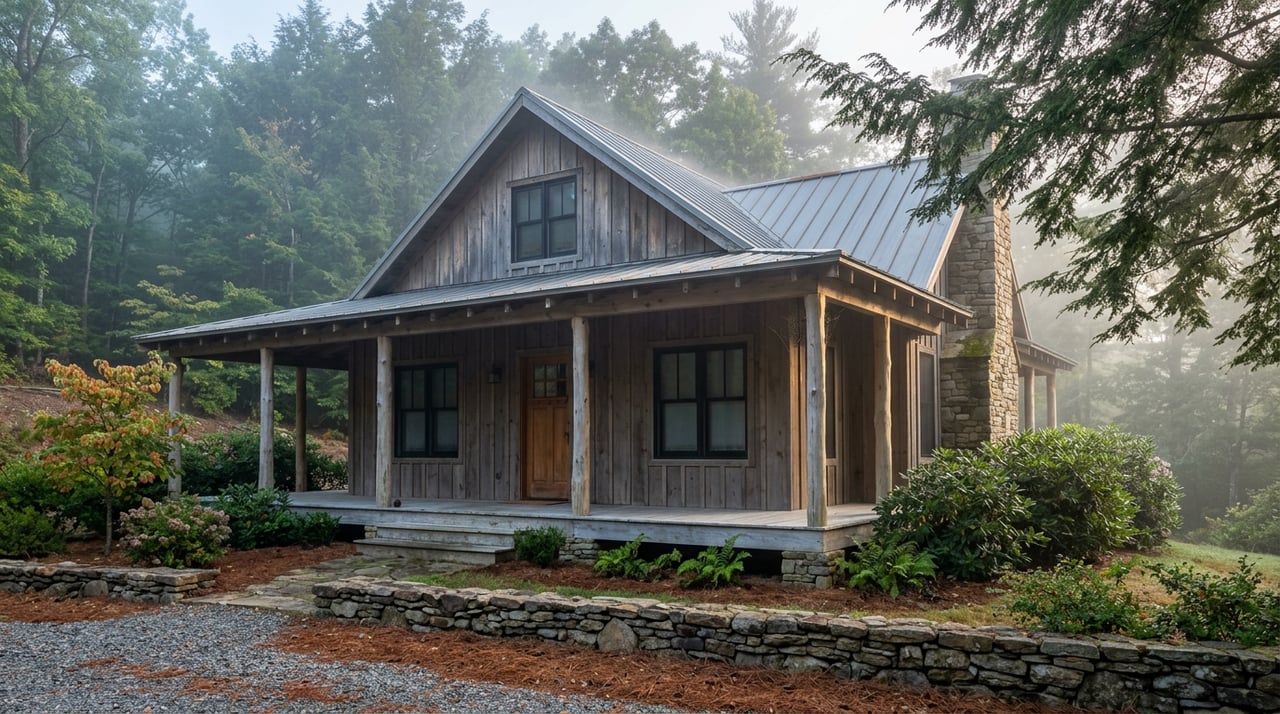
That does not mean every buyer should avoid a tucked-away cabin. It means you should think realistically about arrival, parking, winter weather, and how easily guests can reach the property after dark.
Look for proximity to activity hubs
Several of Maggie Valley’s best-known attractions help explain what visitors value. Cataloochee Ski Area says it is four miles off U.S. 19 above Maggie Valley, Tube World is on Soco Road, and Wheels Through Time is in Maggie Valley about five miles off the Blue Ridge Parkway.
Those attractions matter because they reinforce a simple idea: properties with convenient road access and close connections to local activity centers may have broader appeal across seasons. Visitors often want a place that feels like a retreat without making every outing a long mountain drive.
Don’t overlook parks and town amenities
The town’s parks and greenways page highlights creek access, walking trails, fishing pier access, picnic shelters, playgrounds, and parking connected to the sidewalk system and Mountain View Creek Park. For buyers, that adds another layer of appeal.
Even if a property is not directly next to a headline attraction, nearby public amenities can improve the overall guest experience. They can also make your own second-home use more enjoyable between day trips and seasonal events.
How to Read Rental Demand Carefully
You do not need perfect data to make a smart decision, but you do need to avoid false confidence. Public tourism and tax data can help you understand the market, yet they cannot predict the exact income of a specific home.
One useful signal is occupancy tax activity, because the tax is tied to paid overnight stays. The Haywood County occupancy tax reports show that Maggie Valley collected $176,975 in July 2022-23 and $175,855 in October 2022-23, while several winter and spring months were noticeably lower.
That suggests a seasonal pattern, with stronger summer and fall demand. It does not guarantee that any given property will earn well, but it can help you set more realistic expectations about when the market may be busiest.
Understand the bigger tourism funnel
Maggie Valley also benefits from being near some of the region’s biggest visitor draws. The National Park Service visitation data show the Blue Ridge Parkway recorded 16.5 million recreation visits in 2025 and Great Smoky Mountains National Park recorded 11.5 million.
A separate NPS report in the same source set notes that Smokies visitors spent $2.2 billion in nearby communities in 2023. Those numbers do not prove short-term rental success for one address, but they do confirm that Maggie Valley sits within a very large regional tourism economy.
Regulations to Verify Before You Buy
This is the part many second-home buyers underestimate. A property can look perfect online and still have zoning, tax, infrastructure, or private-rule issues that affect your plans.
Confirm occupancy tax obligations
Haywood County says rentals of accommodations for stays under 90 days are subject to the local occupancy tax, and the current local rate is 4%. According to the county occupancy tax FAQ, properties must be registered, monthly returns are due by the 20th, and owners remain responsible for compliance even if a booking platform handles part of the transaction.
North Carolina also applies state and applicable local and transit sales taxes to accommodation rentals, in addition to local occupancy tax. If rental use is part of your plan, you will want a clear understanding of those obligations before closing, not after your first booking.
Verify zoning for the specific parcel
Do not assume that every property in Maggie Valley has the same short-term rental path. The town’s zoning framework includes an R4 Seasonal and Short Term Residential district, where the principal use is seasonal and short-term residential activity such as vacation communities with cabins and cottages.
The comprehensive plan also says the town should continue reviewing short-term-rental legislation and update the use table to control where short-term housing uses are permitted. That is why parcel-level zoning verification matters so much.
Review slope, drainage, and access
Mountain property has a different risk profile than flatter markets. Maggie Valley’s plan states that the town has very little flat land left, many residential areas are on steep slopes, and slope development can increase landslide and erosion risk.
For you as a buyer, that means driveway design, grading, drainage, and winter access deserve serious attention. In some cases, those practical issues will matter as much as the cabin itself.
Check well and septic early
If a home uses a private well or septic system, involve Haywood County Environmental Health early in your due diligence. The county says it issues permits for wells and septic systems, requires a septic permit before a building permit is issued, and uses authorization forms that ask for bedroom and occupant counts.
That detail matters because adding bedrooms or changing use assumptions can trigger a different septic review. If you are counting on a certain guest capacity, you need to know the approved bedroom count and system limits before you buy.
Read HOA or condo rules closely
Private community rules can be just as important as public regulations. Even when zoning allows short-term use, an HOA or condo association may limit rentals, parking, pets, guest turnover, or minimum stay length.
That review should happen before closing. It is much easier to walk away from a mismatch than to discover later that the rules do not support your intended use.
A Smart Buying Filter for Maggie Valley
If you want a practical framework, use this shortlist when evaluating properties:
- Easy year-round access from main roads such as Soco Road or U.S. 19
- Manageable slope and a driveway that feels safe and usable
- Enough parking for your needs and potential guest turnover
- Durable finishes that can handle second-home and guest use
- Proximity to attractions, parks, or activity hubs
- Verified zoning and tax compliance path for short-term rental use
- Clear well/septic or water/sewer answers before the end of due diligence
- HOA or condo rules reviewed in writing
This kind of filter helps you stay focused on properties that fit both personal enjoyment and operational reality.
Think Long Term, Not Just Peak Season
It is tempting to shop around peak-season demand and imagine best-case rental performance all year. Maggie Valley’s public occupancy tax patterns suggest that demand can be stronger in summer and fall than in some winter and spring periods, so your expectations should reflect seasonality.
That is why the strongest purchase is often the one you would still be happy to own even if rental income fluctuates. When a home works well as your own mountain base first, you usually make better decisions on location, upkeep, and comfort.
If you are considering buying a second home in Maggie Valley that can also rent, the goal is not just to find a charming cabin. It is to find a property that matches the town’s tourism patterns, fits the rules, and makes sense for your lifestyle and risk tolerance. When you approach it that way, you give yourself a much better chance of buying with confidence.
If you want help evaluating Maggie Valley properties with a practical eye for access, zoning, second-home fit, and local market context, connect with James Pitman.
FAQs
What makes a second home in Maggie Valley more rental-friendly?
- Homes with easier access, manageable slopes, adequate parking, durable finishes, and convenient access to Soco Road, U.S. 19, attractions, or parks often fit visitor use better than isolated, difficult-to-reach properties.
How strong is short-term rental activity in Maggie Valley?
- Maggie Valley’s 2024 comprehensive plan reported 621 Airbnb and VRBO units in the area as of March 2023, which shows an established short-term rental presence, though it does not guarantee performance for any specific property.
What taxes apply to short-term rentals in Haywood County?
- Haywood County says rentals under 90 days are subject to a 4% local occupancy tax, and North Carolina also applies state and applicable local and transit sales taxes to accommodation rentals.
Why does zoning matter when buying a rental-capable second home in Maggie Valley?
- Zoning matters because not every parcel has the same allowed uses, and Maggie Valley has specific districts and ongoing policy review related to seasonal and short-term residential uses.
What should you verify about septic systems for a Maggie Valley second home?
- You should confirm the approved bedroom count, occupancy assumptions, and any limits on expansion or use because Haywood County Environmental Health notes that bedroom changes can affect septic review.
Is public tourism data enough to predict rental income for a Maggie Valley property?
- No. Public occupancy tax and tourism data can help you understand seasonal demand and the area’s visitor base, but they cannot predict exact income for a specific home.