Choosing between a newer build and a classic bungalow in West Asheville is not just about style. It is about how you want to live, what kind of projects you want to take on, and how you want to spend your housing budget over the next few years. If you are weighing charm against convenience, this guide will help you compare the real tradeoffs in West Asheville so you can move forward with more confidence. Let’s dive in.
West Asheville Housing Has Range
West Asheville is not a one-style neighborhood. Because the area developed in layers over time, you will find a mix of early 20th century homes, postwar houses, and pockets of newer infill and redevelopment.
That matters when you start house hunting. Instead of comparing two homes in identical settings, you are often comparing different eras of construction, different maintenance needs, and different living experiences within the same broader area.
Haywood Road has long been the main commercial corridor in West Asheville, and the surrounding residential areas grew largely in the early 20th century. That history still shows up today in the neighborhood’s well-known bungalows, cottages, and worker-style homes.
What Defines a Classic Bungalow
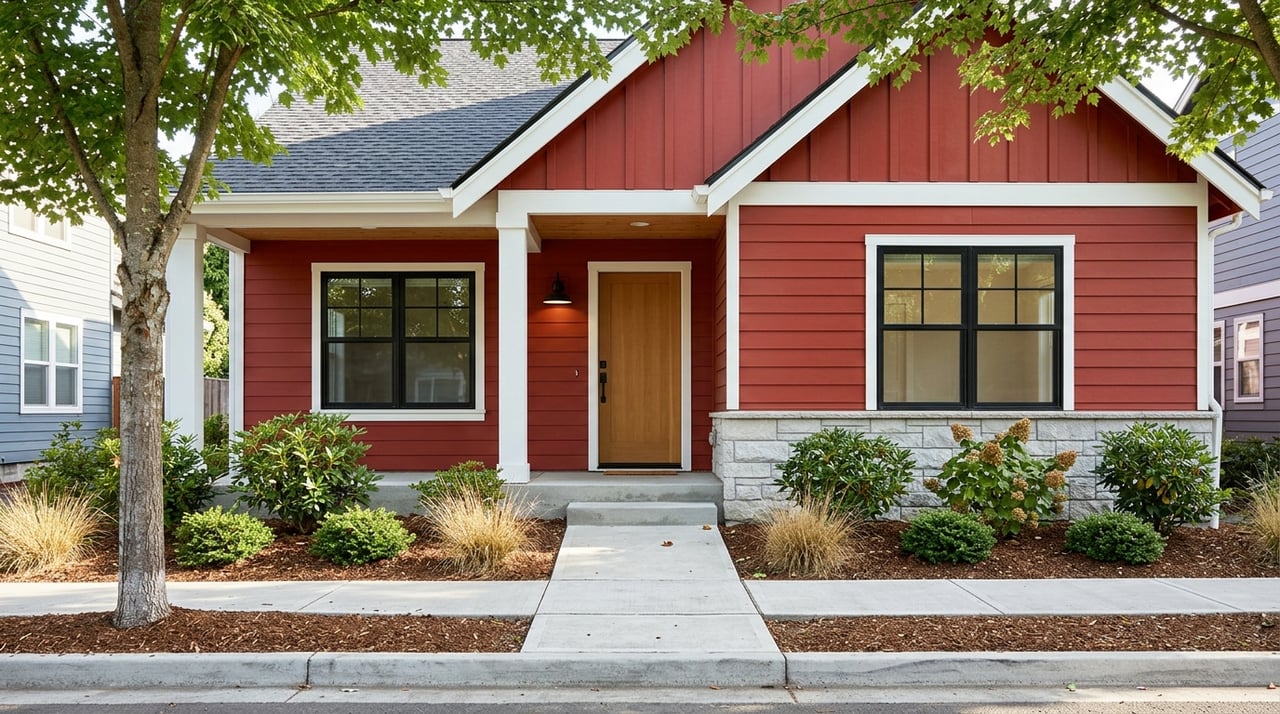
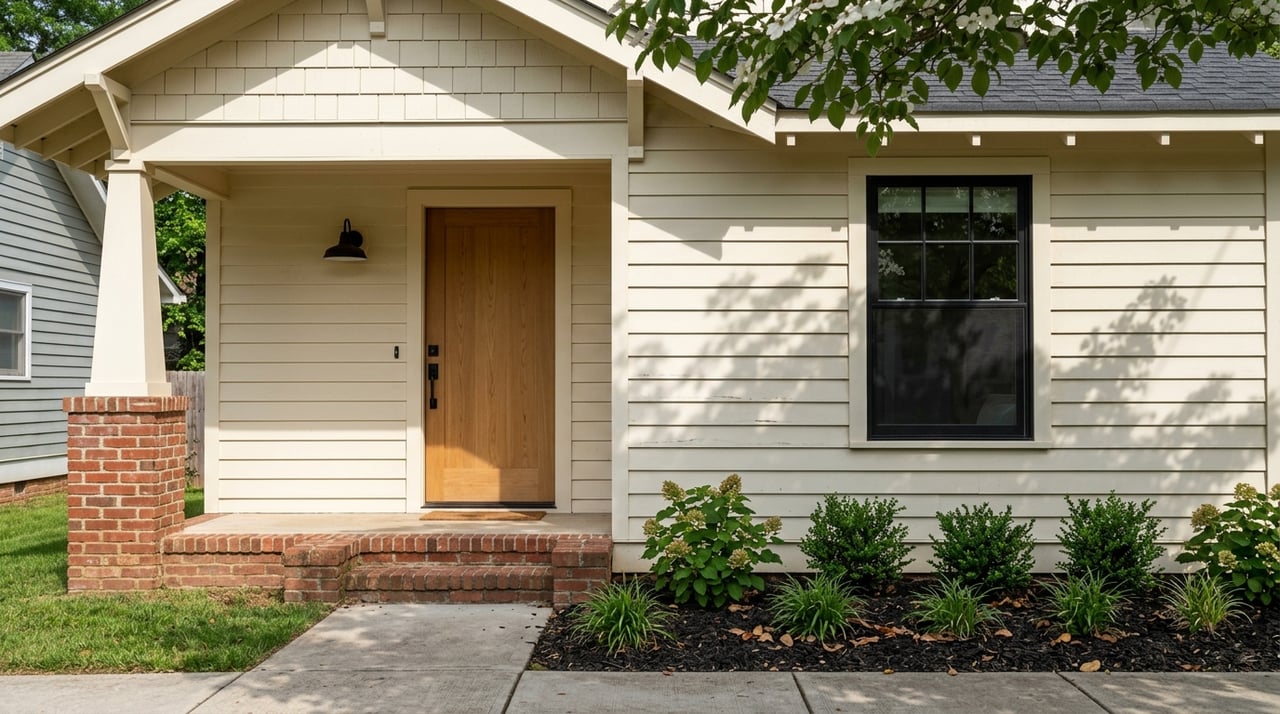
A classic bungalow usually has a one- to one-and-a-half-story layout, a low-pitched roof, broad eaves, and a wide front porch. In West Asheville, that look is not just a design trend. It is part of the area’s established housing character.
The End of Car Line Historic District is officially recognized as a Bungalow/Craftsman district with a period of significance from 1900 to 1949. If you are drawn to original details and older streetscapes, that architectural identity is a big part of the appeal.
Many buyers love bungalows for their scale, curb appeal, and connection to West Asheville’s history. In practical terms, they often offer a more distinctive feel than a newer home, even if they may need updates behind the walls.
What Defines a Newer Build
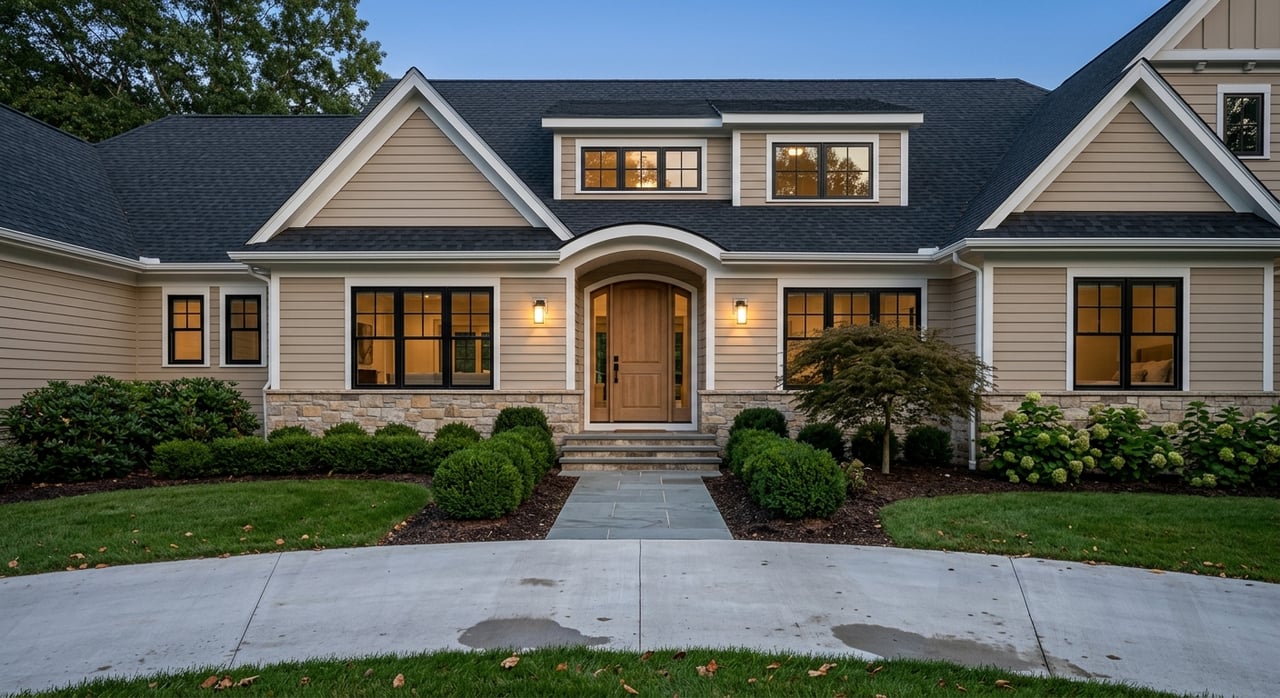
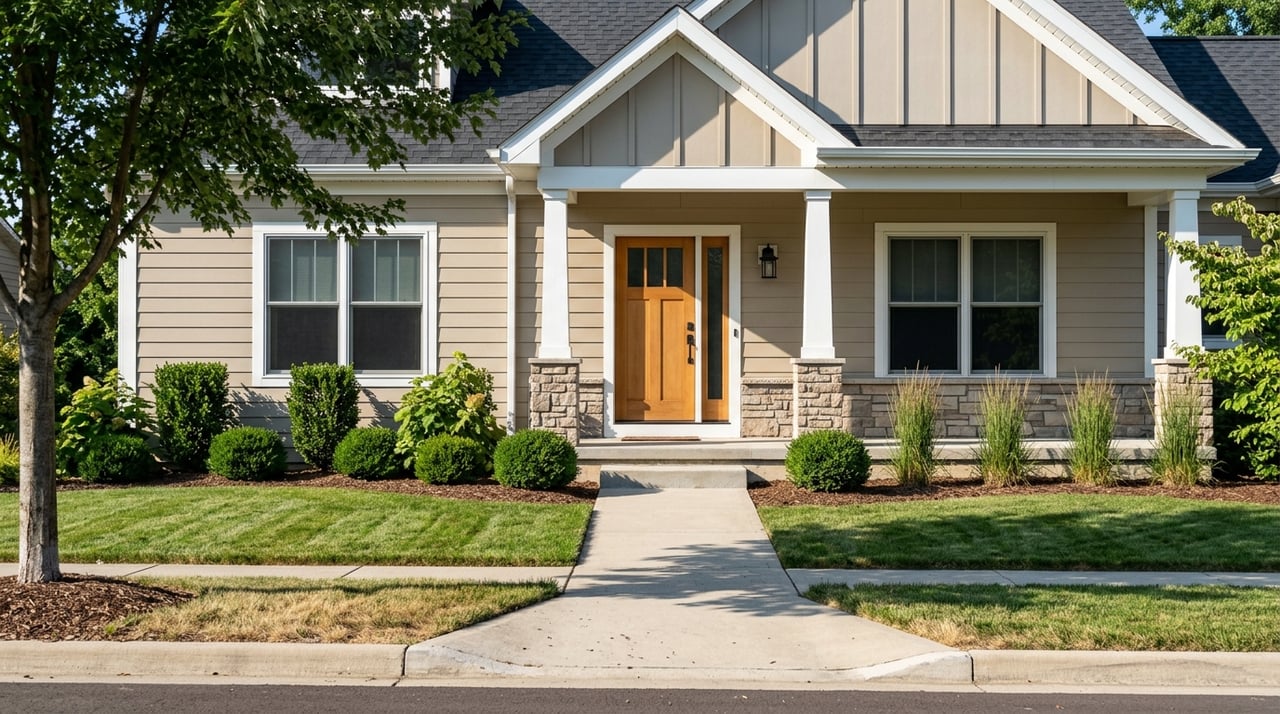
A newer build in West Asheville usually means a home designed and constructed to meet current building codes and more modern efficiency expectations. These homes may be infill projects, redevelopment opportunities, or part of more recent community additions.
West Asheville does have examples of newer construction that fit the area’s feel. Carney Place, built from 2011 to 2013, shows that new homes can still be designed in a way that works within the neighborhood context.
For many buyers, the main draw is simple. A newer home often starts with more up-to-date systems, stronger insulation, better air sealing, and fewer immediate repair projects.
Charm Versus Day-One Convenience
This is often the biggest decision point. A classic bungalow may offer more architectural character from the start, while a newer build may offer more comfort and predictability from day one.
If you love the idea of a broad front porch, original proportions, and a home that feels tied to West Asheville’s early development, a bungalow may be the better fit. If you want fewer near-term upgrades and a more turnkey experience, a newer build may make everyday life easier.
Neither option is universally better. The right choice depends on whether you value historic character more than reduced maintenance, or modern performance more than older-home charm.
Energy Efficiency and Comfort Differences
Older homes and newer homes usually perform very differently when it comes to insulation and energy use. According to the U.S. Department of Energy, insulation is more cost-effective to add during construction than to retrofit later.
That gives newer homes a built-in advantage. They generally begin with better insulation, tighter air sealing, and stronger system performance, which can translate into lower utility costs and fewer efficiency projects right after closing.
Some newer homes go beyond basic code requirements. ENERGY STAR certified new homes exceed code minimums by at least 10%, and the City of Asheville described Carney Place as extremely energy efficient and Green Built NC certified.
Classic bungalows can still be improved, but the path is usually different. Common upgrades include attic insulation, air sealing, and storm windows or other window improvements. The Department of Energy also notes that low-e storm windows can reduce heating and cooling losses.
Maintenance and Update Planning
A bungalow purchase often comes with a different maintenance mindset. If the home is older, you may need to assess insulation gaps, air leaks, aging systems, or deferred repairs sooner rather than later.
A professional home energy assessment can help identify where an older home is losing efficiency. That can give you a clearer roadmap for what to improve first and what to budget for over time.
Newer builds usually reduce the chance of major early repairs because good building science is already part of the structure. That does not mean maintenance disappears, but it often means you are starting from a more current baseline.
For buyers who want to avoid a long post-closing to-do list, that difference can be significant. For buyers who are comfortable improving a home over time, the bungalow path may still be worth it.
Lead-Safe Renovation Matters
If you are considering a classic bungalow built before 1978, renovation planning should include lead-safe considerations. The EPA says homes built before 1978 are more likely to contain lead-based paint, and renovation, repair, or painting work can create hazardous dust.
This is especially important around friction surfaces like doors and window sills. In real-world terms, that means updating an older bungalow may involve a more careful and sometimes more expensive renovation process than updating a newer home.
That does not make older homes a bad choice. It simply means your budget should reflect the reality of safe, well-planned improvements.
Historic Rules and Permits in Asheville
In West Asheville, older homes can also come with more review and permitting considerations. Asheville’s Historic Resources Commission reviews projects in local historic districts and local landmarks.
It is important to know that properties in National Register districts are not subject to design review unless they are also in a local historic district. That distinction can affect how much oversight applies to future exterior changes.
The city’s design-review guidance notes that minor work can include roof replacement and mechanical equipment. Some contributing properties may also qualify for historic preservation tax credits, which can be worth exploring if you are buying a qualifying older home.
Permits matter too. Asheville requires permits for most residential projects over $40,000, and permits are required regardless of cost when work changes load-bearing walls or involves plumbing, electrical, or HVAC systems.
Budget Strategy for Each Option
When buyers compare newer builds and classic bungalows, the pricing conversation should go beyond the list price. The smarter question is what your first few years of ownership are likely to cost.
With a classic bungalow, you may need a larger renovation reserve for system updates, insulation improvements, air sealing, window work, or lead-safe renovation steps. That reserve should be treated as part of the purchase budget, not something to figure out after closing.
With a newer build, you may pay more up front. Regional housing data from the 2025 Asheville Region Housing Needs Assessment suggests newer homes tend to sit in higher price bands than older housing stock, which is consistent with a premium for newer construction.
The tradeoff is that a higher initial price may reduce the chance of major repairs or efficiency upgrades in the first few years. For some buyers, that predictability is worth paying for.
Which Home Type Fits You Best
Your choice often comes down to lifestyle, budget flexibility, and your comfort with projects. A classic bungalow may fit you best if you value architectural character, are open to phased improvements, and want a home that feels deeply connected to West Asheville’s earlier development.
A newer build may fit you best if you want stronger day-one efficiency, fewer immediate repairs, and a more streamlined ownership experience. It can be especially appealing if you are relocating and want less uncertainty after the move.
If you are still torn, the best next step is to compare homes through the lens of total ownership, not just first impressions. Looking at likely updates, permit considerations, and comfort expectations can make the decision much clearer.
Whether you are drawn to the porch and personality of a bungalow or the lower-maintenance appeal of newer construction, the right guidance can help you compare options with a clear strategy. If you want help evaluating homes in West Asheville and building a smart offer plan, connect with James Pitman.
FAQs
What is the main difference between newer builds and classic bungalows in West Asheville?
- Classic bungalows usually offer more historic character and may need more updates, while newer builds typically offer more current systems, better efficiency, and fewer near-term projects.
Are classic bungalows common in West Asheville?
- Yes. West Asheville is well known for early 20th century housing, including bungalows, cottages, and worker-style homes, especially around historic residential areas.
Do newer homes exist in West Asheville?
- Yes. West Asheville includes pockets of newer infill and redevelopment, and examples like Carney Place show that newer construction is part of the neighborhood mix.
Are older West Asheville homes less energy efficient?
- Often, yes. Older homes typically have less insulation than homes built today, though upgrades like attic insulation, air sealing, and storm windows can improve performance.
Should you budget differently for a classic bungalow in West Asheville?
- Yes. Buyers should treat renovation reserves as a core part of the budget because older homes may need spending on systems, envelope upgrades, permits, or lead-safe renovation work.
Do West Asheville bungalow renovations require permits or review?
- Sometimes. Asheville requires permits for many residential projects, and homes in local historic districts or designated landmarks may also be subject to Historic Resources Commission review.